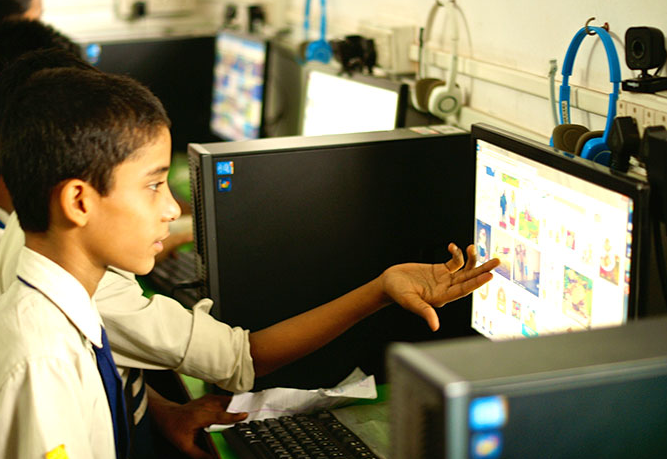
Technology serves as a pivotal element in addressing education equity. It has the potential to dismantle barriers that hinder access to quality learning resources. By leveraging adaptive learning tools and collaborative platforms, educational experiences can be customized to diverse student needs. However, the challenge lies in ensuring that these innovations reach all learners effectively. Exploring the implications of this technological integration reveals critical insights into the future of equitable education. What strategies will emerge to bridge these gaps?
The Digital Divide: Understanding Barriers to Access
While technology has the potential to revolutionize education, the digital divide remains a significant barrier that hinders equitable access to learning resources.
Many students lack affordable devices and reliable internet accessibility, resulting in disparities in educational opportunities.
This gap not only limits individual potential but also perpetuates systemic inequalities, emphasizing the urgent need for innovative solutions to bridge the digital divide and promote inclusive learning environments.
See also: rozunonzahon
Enhancing Learning Outcomes Through Technology
The digital divide highlights a pressing issue in education, yet technology offers pathways to improve learning outcomes for all students.
Strategies for Inclusive Digital Learning Environments
How can educators create digital learning environments that are truly inclusive for all students?
By integrating adaptive learning technologies, they can tailor experiences to individual needs.
Additionally, utilizing collaborative tools fosters engagement and allows students to connect meaningfully.
These strategies not only promote equity but also empower learners to thrive in diverse settings, ensuring that every voice is heard and valued.
Future Trends: Technology’s Role in Advancing Education Equity
As technology continues to evolve, its potential to enhance education equity becomes increasingly evident, particularly through the integration of artificial intelligence and data analytics.
Future trends suggest that adaptive learning systems will personalize education, ensuring that all students access equitable resources.
Conclusion
In conclusion, technology serves as a bridge over the chasm of educational inequity, enabling access to vital resources and personalized learning experiences. By dismantling barriers and fostering inclusive environments, it cultivates a fertile ground where all students can thrive and flourish. As advancements in artificial intelligence and data analytics unfold, they hold the promise of illuminating the path toward equitable education, ensuring that every learner can reach their full potential, much like a garden nurtured to blossom in diverse ways.


 By
By