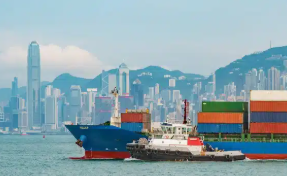
Hong Kong has long been recognized as one of the world’s leading international trade and transportation hubs. Its strategic location, advanced infrastructure, and strong global business connections make it a key center for logistics and supply chain operations across Asia and beyond. As international trade continues to expand, the importance of logistics hong kong services continues to grow for businesses seeking efficient movement of goods and reliable supply chain management.
Modern logistics operations involve much more than transportation alone. Today’s logistics industry includes warehousing, inventory management, customs coordination, digital tracking systems, and advanced supply chain technology that support global trade efficiency.
Many international businesses now rely on logistics hong kong solutions to improve operational efficiency, support international trade, and manage modern supply chain challenges.
Why Logistics Is Important for Global Business
Efficient logistics systems help businesses move products safely, quickly, and cost-effectively across local and international markets.
Key Functions of Logistics
Modern logistics operations support:
- Transportation management
- Inventory control
- Warehousing solutions
- Supply chain coordination
- International trade operations
Strong logistics systems help businesses maintain customer satisfaction and operational stability.
Why Hong Kong Is a Major Logistics Hub
Hong Kong’s location and infrastructure make it one of the most important logistics centers in Asia.
Strategic Geographic Location
Hong Kong connects major Asian markets with global trade routes, making it ideal for import, export, and distribution activities.
Advanced Transportation Infrastructure
The city offers highly developed:
- Ports
- Airports
- Shipping facilities
- Road networks
- Cargo handling systems
These systems support efficient international trade and cargo movement.
Strong International Trade Network
Hong Kong’s global business connections help companies access international markets more effectively.
What Modern Logistics Services Include
Today’s logistics industry includes a broad range of supply chain and operational services.
Freight Transportation
Logistics companies manage sea freight, air freight, and land transportation for domestic and international shipments.
Warehousing and Distribution
Modern warehousing systems support inventory storage, product organization, and distribution management.
Customs and Trade Compliance
Logistics providers help businesses manage customs clearance and international trade documentation.
Supply Chain Management
Integrated supply chain systems improve coordination between suppliers, manufacturers, distributors, and retailers.
The Role of Technology in Modern Logistics
Technology is transforming logistics operations by improving efficiency, visibility, and automation.
Real-Time Shipment Tracking
Digital tracking systems allow businesses to monitor cargo movement and delivery status more accurately.
Smart Warehousing
Automated inventory systems improve storage efficiency and reduce operational errors.
Artificial Intelligence and Data Analytics
AI and data analysis help optimize delivery routes, inventory planning, and operational forecasting.
Blockchain and Security Systems
Advanced digital technologies improve supply chain transparency and transaction security.
Why Efficient Logistics Matters for Businesses
Strong logistics systems provide several important advantages for companies operating in competitive markets.
Faster Delivery Performance
Efficient transportation and distribution systems improve customer satisfaction and delivery reliability.
Reduced Operational Costs
Optimized logistics operations help businesses lower transportation and inventory expenses.
Better Supply Chain Visibility
Modern logistics systems provide improved monitoring and coordination throughout the supply chain.
Business Expansion Opportunities
Reliable logistics support international trade and market expansion strategies.
The Growing Importance of Supply Chain Resilience
Global supply chains face increasing challenges related to economic changes, transportation disruptions, and market uncertainty.
Risk Management Strategies
Businesses are investing in flexible logistics systems that reduce operational risks and improve adaptability.
Diversified Supply Chains
Companies increasingly use multiple suppliers and distribution channels to improve stability.
Digital Supply Chain Solutions
Technology-driven logistics systems help businesses respond more quickly to changing market conditions.
Sustainable Logistics and Green Transportation
Sustainability is becoming a major priority within the logistics industry.
Eco-Friendly Transportation
Businesses are exploring cleaner transportation methods and energy-efficient delivery systems.
Smart Route Optimization
Technology helps reduce fuel consumption and transportation emissions through optimized delivery planning.
Sustainable Warehousing
Modern warehouses increasingly use energy-efficient lighting, automation, and environmentally friendly operational practices.
Important Factors to Consider When Choosing Logistics Services
Businesses should evaluate several important factors when selecting logistics partners.
Operational Experience
Experienced providers are better equipped to manage complex international logistics operations.
Technology Capabilities
Modern digital systems improve tracking, inventory management, and operational efficiency.
International Trade Expertise
Strong customs and trade knowledge helps reduce delays and compliance risks.
Scalability and Flexibility
Logistics providers should be able to support future business growth and changing operational needs.
Why Hong Kong Continues to Lead in Logistics Innovation
Hong Kong remains highly competitive because of its continued investment in infrastructure and technology development.
Smart Logistics Development
The city continues to explore automation, digital supply chain systems, and advanced transportation technologies.
Strong Global Connectivity
Hong Kong maintains strong trade relationships with international markets and major economic regions.
Business-Friendly Environment
Efficient trade systems and strong infrastructure continue to attract international businesses and logistics operators.
See also: The Role of Technology in Entertainment
FAQs
Why is Hong Kong important for global logistics?
Hong Kong’s strategic location, advanced infrastructure, and international trade connections make it a major global logistics hub.
What services do logistics companies provide?
Logistics companies offer transportation, warehousing, inventory management, customs support, and supply chain coordination services.
How is technology improving logistics operations?
Technology improves shipment tracking, warehouse automation, route optimization, and overall supply chain efficiency.
Conclusion
Logistics plays a vital role in supporting global trade, supply chain management, and business growth within modern international markets. Hong Kong continues to serve as one of the world’s leading logistics centers because of its strategic location, advanced transportation infrastructure, and strong global business connections. Modern logistics solutions now combine transportation services with digital technology, automation, and integrated supply chain management to improve operational efficiency and market competitiveness.
As global trade continues to evolve, businesses increasingly rely on advanced logistics systems to improve delivery performance, reduce costs, and maintain supply chain resilience. Hong Kong’s continued focus on innovation, connectivity, and logistics development ensures its position as a key player in the future of international trade and global supply chain operations.


 By
By