The intersection of technology and energy efficiency reveals significant potential for optimizing resource use across multiple sectors. Smart home devices, industrial automation, and advanced energy management systems illustrate how innovation can lead to substantial reductions in energy waste. As these technologies evolve, they not only enhance operational performance but also contribute to a more sustainable future. However, the implications of these advancements raise critical questions about their long-term impact and the broader energy landscape.
Smart Home Technologies Enhancing Energy Consumption
As households increasingly adopt smart home technologies, the potential for enhanced energy efficiency becomes more pronounced.
Smart thermostats facilitate precise temperature control, adapting to user habits and preferences to minimize wastage.
Coupled with advanced energy monitoring systems, these technologies provide real-time insights into consumption patterns, empowering homeowners to make informed decisions that support sustainability and personal freedom in energy usage.
See also: rozunonzahon
Industrial Innovations for Waste Reduction
While industries face increasing pressure to reduce their environmental footprint, innovative technologies are emerging to address waste reduction effectively.
Automated processes streamline production, minimizing excess material usage and enhancing efficiency.
Additionally, the adoption of sustainable materials fosters a circular economy, where waste is repurposed rather than discarded.
These advancements not only contribute to environmental sustainability but also empower industries to operate more responsibly and profitably.
Renewable Energy Solutions Powered by Technology
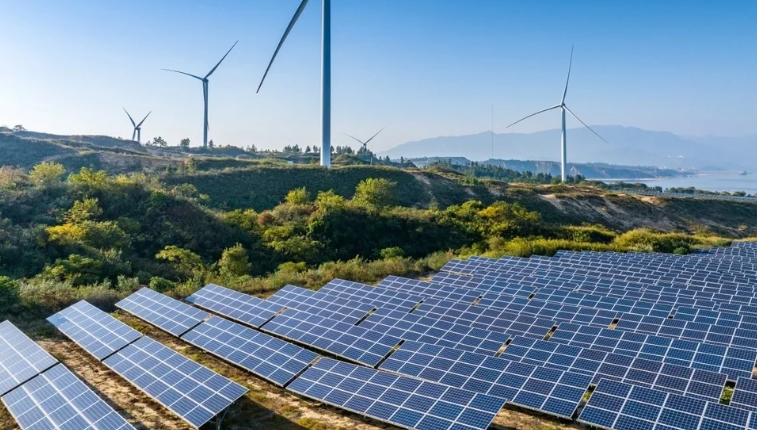
Although the transition to renewable energy sources presents challenges, advancements in technology have significantly enhanced the efficiency and viability of these solutions.
Solar panel advancements, including increased efficiency and reduced costs, have made solar energy more accessible.
Additionally, energy storage innovations enable reliable power supply, mitigating intermittency issues associated with renewables.
Together, these developments foster a sustainable energy future, promoting greater autonomy and environmental responsibility.
The Future of Energy Management Systems
Energy management systems (EMS) are poised to undergo transformative changes driven by advancements in technology and data analytics.
The integration of predictive analytics will enable organizations to anticipate energy needs, while automated optimization will streamline resource allocation.
As EMS evolve, they will empower users to make informed decisions, enhancing both operational efficiency and sustainability.
This synergy will redefine energy management in a rapidly changing landscape.
Conclusion
In the quest for energy efficiency, technology acts as a compass guiding various sectors toward sustainable practices. Just as a skilled conductor harmonizes an orchestra, smart home technologies and industrial innovations synchronize energy consumption and waste reduction. For instance, a study found that households utilizing smart thermostats reduced their energy use by up to 23%. As these advancements continue to evolve, they not only optimize resources but also compose a symphony of sustainability, setting the stage for a greener future.

 By
By