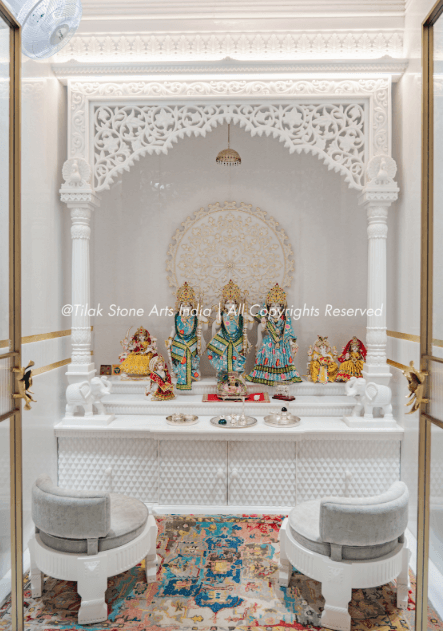
Why Some Pooja Rooms Feel Timeless — No Matter How Home Trends Change

Home interiors shift with every passing season. Colour palettes change, furniture styles evolve, and what felt contemporary five years ago can look dated today. Yet some pooja rooms seem to exist outside this cycle entirely. They age without looking old. The reason, more often than not, comes down to how they were built and what they were built with. When a space is designed around material quality rather than momentary trends, the result holds up differently over time. A luxury marble pooja room carries an inherent permanence that trend-led décor cannot replicate. The stone tells a story that does not go out of fashion. Its natural veining, quiet weight, and subdued authority create a spiritual atmosphere that feels as relevant a decade from now as it does today. When Material Becomes the Design The Problem With Trend-Led Spaces: Many homeowners invest heavily in décor that photographs beautifully but ages poorly. A pooja room built around a particular colour trend or popular finish will eventually demand updating. That cycle is costly, and perhaps more importantly, it chips away at the sanctity a prayer space deserves. The atmosphere of a sacred corner should not depend on what is in fashion that year. Why Stone Outlasts Style: Natural marble carries its own visual identity, quite independent of design fashions. The variation within each slab, the subtle shifts in tone, and the texture that changes with light are qualities no engineered surface fully replicates. A space built around genuine stone stops being a design statement and starts being something deeper. That is a distinction that matters more than most people initially realise. What Marble Actually Brings to a Sacred Space Durability That Reads as Permanence: Marble's crystalline structure gives it a density and longevity that softer materials cannot match. A well-maintained marble surface resists the kind of wear that visibly degrades most interiors over time. This is not only about aesthetics. It is about creating a space that looks as considered in twenty years as it does on installation day. That quality is worth planning for from the outset. The Spiritual Weight of Natural Stone: There is something about genuine marble that synthetic materials have never fully captured. The coolness of the surface, the way light settles differently across carved stone, the sense that the material carries real age and intention. These qualities contribute to an atmosphere of devotion that goes beyond visual appeal. A space built in natural stone feels different to stand in, and in a sacred context, that matters. Craftsmanship as the Third Dimension: Beyond the material itself, the quality of workmanship determines how a stone surface ages. A poorly finished marble surface will show its limitations within years. Skilled carving, proper surface finishing, and precise joinery create a result that looks considered rather than constructed. The difference between average and expert work becomes clearer over time, not less so. That is the craftsmanship argument. Elements That Carry a Room Across Decades The Enduring Power of Hand Carving: Carved floral motifs reference classical temple architecture, grounding a space in cultural continuity rather than passing trends. Geometric inlay work in contrasting marble tones creates visual rhythm that remains pleasing regardless of surrounding décor changes. Pillar detailing and arched niches introduce proportion and depth that the eye finds naturally satisfying over long periods. Fine relief carving on temple panels reflects light differently as the day progresses, keeping the space visually alive without any alterations to the room. Marble Inlay and the Language of Pattern: The technique of setting contrasting stone pieces into a base surface, a practice with centuries of history in Indian temple architecture, produces patterns that read as artful rather than decorative. Unlike applied finishes or surface prints, inlays are permanent. They become more appreciated as the room ages, not less. That quality is genuinely rare in any interior material. Balance Over Ornamentation: The longest-lasting pooja rooms are not necessarily the most elaborate. What makes a space endure is balance. The proportion of carving to a plain surface, the scale of the temple relative to the room, and the way sacred geometry informs the overall layout are the decisions that separate a space which ages gracefully from one that starts to feel heavy or overwrought over time. Spiritual Relevance Does Not Expire A Space That Grows With the Family: A well-designed marble pooja room tends to feel more significant over time, not less. As rituals accumulate and the space becomes part of daily life, its physical quality begins to matter in ways that are difficult to articulate but easy to feel. A space that holds up structurally and aesthetically becomes a site of genuine continuity, and that quality cannot be purchased with trend-led choices. The Cost of Getting It Wrong: Choosing cheaper materials for a pooja room may feel like a reasonable short-term decision. Over years, the discolouration, surface wear, and general deterioration begin to undermine the atmosphere entirely. A space that looked clean on your installation day can feel shabby within a few years. The investment in quality stone protects the spiritual character of the room across years of daily use. Stone That Still Speaks, Years From Now A pooja room built with genuine intent and quality materials rarely needs to be reconsidered. It simply continues to serve its purpose. If you are planning a sacred space and want it to carry that kind of longevity, connect with a specialist who understands both the material and the design principles that make marble pooja rooms last, not just for years, but across generations.

Home interiors shift with every passing season. Colour palettes change, furniture styles evolve, and what felt contemporary five years ago can look dated today. Yet some pooja rooms seem to exist outside this cycle entirely. They age without looking old. The reason, more often than not, comes down to how they were built and what they were built with.

When a space is designed around material quality rather than momentary trends, the result holds up differently over time. A luxury marble pooja room carries an inherent permanence that trend-led décor cannot replicate. The stone tells a story that does not go out of fashion. Its natural veining, quiet weight, and subdued authority create a spiritual atmosphere that feels as relevant a decade from now as it does today.

When Material Becomes the Design

The Problem With Trend-Led Spaces: Many homeowners invest heavily in décor that photographs beautifully but ages poorly. A pooja room built around a particular colour trend or popular finish will eventually demand updating. That cycle is costly, and perhaps more importantly, it chips away at the sanctity a prayer space deserves. The atmosphere of a sacred corner should not depend on what is in fashion that year.

Why Stone Outlasts Style: Natural marble carries its own visual identity, quite independent of design fashions. The variation within each slab, the subtle shifts in tone, and the texture that changes with light are qualities no engineered surface fully replicates. A space built around genuine stone stops being a design statement and starts being something deeper. That is a distinction that matters more than most people initially realise.

What Marble Actually Brings to a Sacred Space

Durability That Reads as Permanence: Marble’s crystalline structure gives it a density and longevity that softer materials cannot match. A well-maintained marble surface resists the kind of wear that visibly degrades most interiors over time. This is not only about aesthetics. It is about creating a space that looks as considered in twenty years as it does on installation day. That quality is worth planning for from the outset.

The Spiritual Weight of Natural Stone: There is something about genuine marble that synthetic materials have never fully captured. The coolness of the surface, the way light settles differently across carved stone, the sense that the material carries real age and intention. These qualities contribute to an atmosphere of devotion that goes beyond visual appeal. A space built in natural stone feels different to stand in, and in a sacred context, that matters.

Craftsmanship as the Third Dimension: Beyond the material itself, the quality of workmanship determines how a stone surface ages. A poorly finished marble surface will show its limitations within years. Skilled carving, proper surface finishing, and precise joinery create a result that looks considered rather than constructed. The difference between average and expert work becomes clearer over time, not less so. That is the craftsmanship argument.

Elements That Carry a Room Across Decades

The Enduring Power of Hand Carving:

  • Carved floral motifs reference classical temple architecture, grounding a space in cultural continuity rather than passing trends.
  • Geometric inlay work in contrasting marble tones creates visual rhythm that remains pleasing regardless of surrounding décor changes.
  • Pillar detailing and arched niches introduce proportion and depth that the eye finds naturally satisfying over long periods.
  • Fine relief carving on temple panels reflects light differently as the day progresses, keeping the space visually alive without any alterations to the room.

Marble Inlay and the Language of Pattern: The technique of setting contrasting stone pieces into a base surface, a practice with centuries of history in Indian temple architecture, produces patterns that read as artful rather than decorative. Unlike applied finishes or surface prints, inlays are permanent. They become more appreciated as the room ages, not less. That quality is genuinely rare in any interior material.

Balance Over Ornamentation: The longest-lasting pooja rooms are not necessarily the most elaborate. What makes a space endure is balance. The proportion of carving to a plain surface, the scale of the temple relative to the room, and the way sacred geometry informs the overall layout are the decisions that separate a space which ages gracefully from one that starts to feel heavy or overwrought over time.

See also: Router Price in Kenya Guide: From Home Use to Business Networking

Spiritual Relevance Does Not Expire

A Space That Grows With the Family: A well-designed marble pooja room tends to feel more significant over time, not less. As rituals accumulate and the space becomes part of daily life, its physical quality begins to matter in ways that are difficult to articulate but easy to feel. A space that holds up structurally and aesthetically becomes a site of genuine continuity, and that quality cannot be purchased with trend-led choices.

The Cost of Getting It Wrong: Choosing cheaper materials for a pooja room may feel like a reasonable short-term decision. Over years, the discolouration, surface wear, and general deterioration begin to undermine the atmosphere entirely. A space that looked clean on your installation day can feel shabby within a few years. The investment in quality stone protects the spiritual character of the room across years of daily use.

Stone That Still Speaks, Years From Now

A pooja room built with genuine intent and quality materials rarely needs to be reconsidered. It simply continues to serve its purpose. If you are planning a sacred space and want it to carry that kind of longevity, connect with a specialist who understands both the material and the design principles that make marble pooja rooms last, not just for years, but across generations.

Releated By Post

The Canadian Homeowner’s Guide to Water Softeners

Hard water is one of those things that sneaks up…

Top Plumbing in North Bay: What Sets the Best Apart

Getting a North Bay top plumber is not as easy…

Leave a Reply

Your email address will not be published. Required fields are marked *